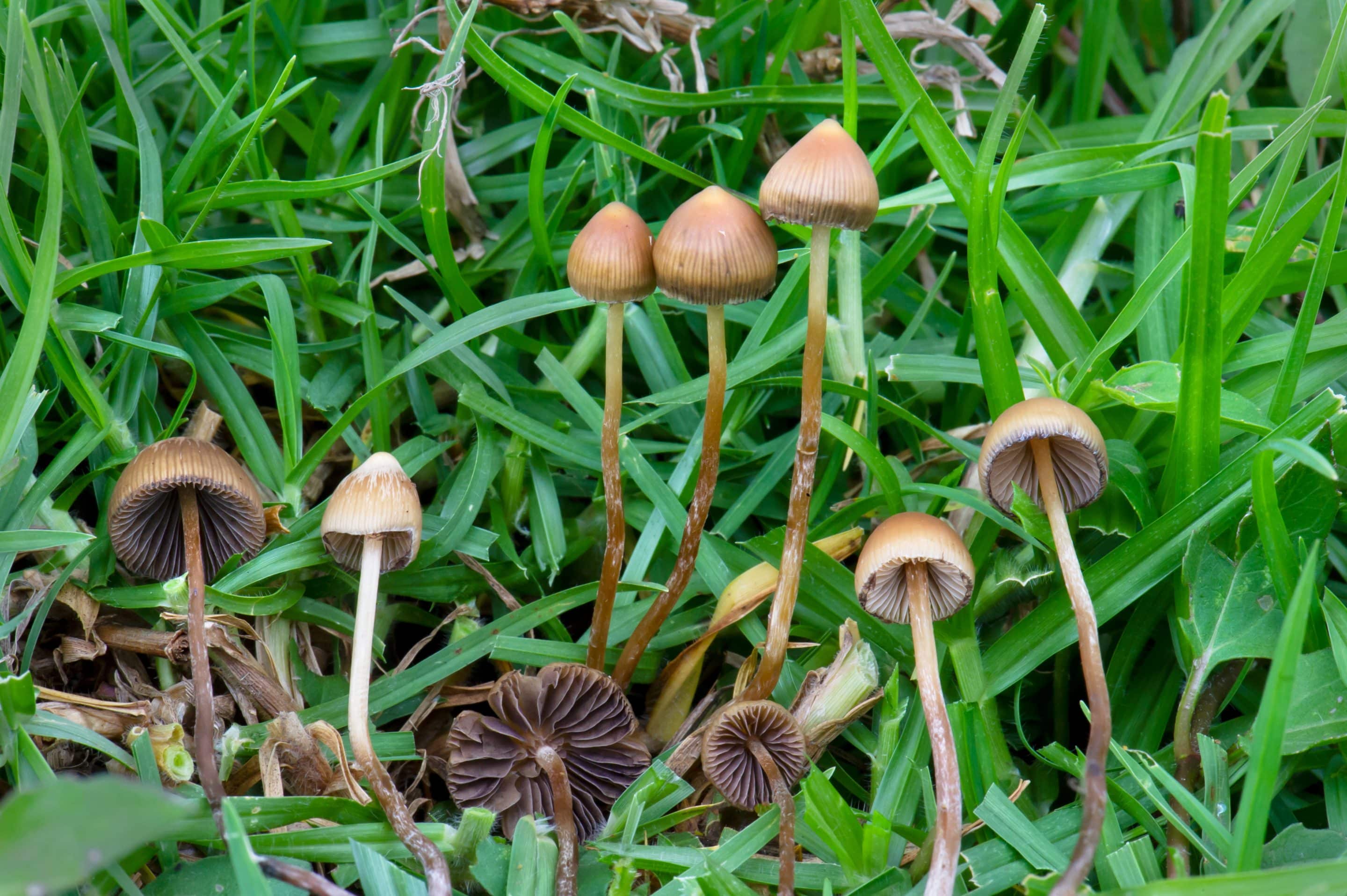
The Future of Magic Mushrooms: Legalization and Regulation
Magic mushrooms have been used for thousands of years for their psychoactive properties. With the ongoing debate around their legalization and regulation, the future of these fungi seems uncertain. In this article, we’ll explore the current legal status of magic mushrooms, the benefits and drawbacks of their use, and the potential impact of their legalization.
Legal Status of Magic Mushrooms
Currently, magic mushrooms are illegal in most countries, including the United States. However, there are some exceptions. In the Netherlands, for example, psilocybin (the active ingredient in magic mushrooms) is not illegal, and “magic truffles” can be legally purchased in “smart shops.” In Canada, psilocybin has been legalized for medical use, and some cities in the United States have decriminalized their use.
Benefits of Magic Mushrooms
Despite their illegal status, many people continue to use magic mushrooms for their reported therapeutic benefits. Studies have suggested that psilocybin can help alleviate depression, anxiety, and addiction, and can improve creativity and problem-solving skills. Additionally, many users report spiritual and mystical experiences, leading some to believe that magic mushrooms have the potential to enhance one’s sense of connectedness and well-being.
Drawbacks of Magic Mushrooms
Of course, there are also potential drawbacks to using magic mushrooms. Inexperienced users can experience anxiety or panic attacks, and some people may have underlying mental health conditions that make them more susceptible to negative experiences. Additionally, the legality of magic mushrooms makes them difficult to regulate and ensure their safety. Users may unknowingly consume mushrooms that are contaminated with other harmful substances.
The Future of Magic Mushrooms
Despite the potential risks, many advocates argue that the benefits of magic mushrooms outweigh the drawbacks. As more research is conducted on their therapeutic potential, it’s possible that we’ll see a shift in public opinion and an increase in their legal status. However, any move towards legalization will need to address concerns around safety and regulation. It’s likely that any future laws around magic mushrooms will involve strict testing and labeling requirements to ensure their safety.
Conclusion
The future of magic mushrooms is uncertain, but their potential therapeutic benefits cannot be ignored. As more research is conducted and public opinion shifts, it’s possible that we’ll see a move towards legalization and regulation. However, any such move will need to address concerns around safety and ensure that users are well-informed about the risks and benefits of their use.
FAQs
- What are magic mushrooms? Magic mushrooms are fungi that contain the psychoactive compound psilocybin. They have been used for thousands of years for their psychoactive effects.
- Are magic mushrooms legal? In most countries, including the United States, magic mushrooms are illegal. However, some countries and cities have decriminalized their use, and in Canada, psilocybin has been legalized for medical use.
- What are the benefits of magic mushrooms? Studies have suggested that magic mushrooms can help alleviate depression, anxiety, and addiction, and can improve creativity and problem-solving skills. Many users also report spiritual and mystical experiences.
- What are the drawbacks of magic mushrooms? Inexperienced users can experience anxiety or panic attacks, and some people may have underlying mental health conditions that make them more susceptible to negative experiences. Additionally, the legality of magic mushrooms makes them difficult to regulate and ensure their safety.
Let’s face it, magic mushrooms are like the wild child of the drug world. They’re unpredictable, they’re a little bit dangerous, and they’re always up for a good time. But despite their bad reputation, magic mushrooms have some serious therapeutic potential. And with the ongoing debate around their legalization and regulation, the future of these little fungi is looking brighter than ever.
So let’s talk about the legal status of magic mushrooms. Currently, they’re illegal in most countries, but there are some exceptions. In the Netherlands, you can legally buy “magic truffles” in “smart shops.” And in Canada, psilocybin has been legalized for medical use. It’s like the magic mushrooms are slowly but surely making their way into the mainstream.
Of course, there are some potential drawbacks to using magic mushrooms. Inexperienced users can experience anxiety or panic attacks, which is never a good time. And let’s face it, if you’re going to trip on magic mushrooms, you want to make sure you’re getting the real deal. Contaminated mushrooms are like the surprise guests that nobody invited to the party.
But the benefits of magic mushrooms are nothing to sneeze at. Studies have shown that they can help alleviate depression, anxiety, and addiction. And let’s be real, who couldn’t use a little mood boost these days? Plus, many users report spiritual and mystical experiences. It’s like magic mushrooms are a one-stop-shop for therapy and spiritual enlightenment.
So what’s the future of magic mushrooms? Well, it’s hard to say for sure. But with more and more research being conducted on their therapeutic potential, it’s possible that we’ll see a shift in public opinion and an increase in their legal status. Of course, any move towards legalization will need to address concerns around safety and regulation. We can’t just let these wild children run amok.
In conclusion, the future of magic mushrooms is looking bright. Despite their wild reputation, they have serious therapeutic potential. And with the ongoing debate around their legalization and regulation, we may see a shift towards greater acceptance and understanding of these little fungi. Just make sure to bring your own snacks to the party